In the ever-evolving landscape of video games, accessibility has transitioned from an afterthought to a core component of inclusive design. Among the various challenges faced by players with disabilities, hearing impairment presents unique obstacles that can significantly impact gameplay experience. Traditional audio cues—footsteps signaling an approaching enemy, environmental sounds hinting at hidden paths, or dialogue conveying critical narrative information—are often inaccessible to those who are deaf or hard of hearing. This has spurred developers to innovate, creating robust visual alternatives that not only accommodate but empower hearing-impaired players.
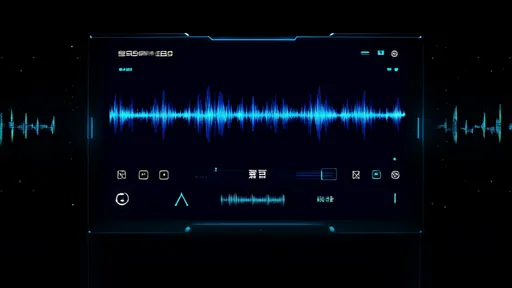
The concept of visual sound substitution is not entirely new, but its implementation in games has reached unprecedented levels of sophistication. Early attempts often involved simple subtitles for dialogue or basic icon indicators for important sounds. While these were steps in the right direction, they frequently fell short in conveying the richness and spatial context of audio information. Modern solutions, however, leverage advanced technology and thoughtful design to create a comprehensive visual language that mirrors the complexity of game audio.
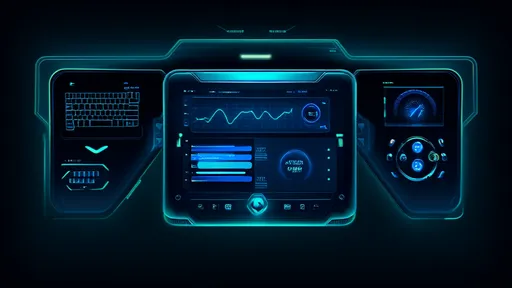
One of the most effective techniques is the use of visual indicators that replicate the spatial and informational qualities of sound. For instance, a radar-like system can display icons or waves emanating from the source of a sound, indicating both direction and distance. This allows players to pinpoint the origin of footsteps, gunshots, or other crucial audio cues without relying on auditory perception. Games like Fortnite and The Last of Us Part II have implemented such systems to widespread acclaim, demonstrating that visual substitutes can be both functional and immersive.
Another critical aspect is the visualization of environmental audio. In many games, ambient sounds—like the rustling of leaves, dripping water, or distant machinery—provide atmospheric depth and sometimes gameplay hints. For hearing-impaired players, these nuances are often lost. Developers are now incorporating dynamic environmental cues, such as subtle visual effects or color shifts in the game world, to convey the same information. This approach ensures that all players can appreciate the carefully crafted ambiance and react to environmental storytelling.
Dialogue and narrative delivery also require careful consideration. While subtitles have long been standard, they are frequently criticized for their limitations—being too small, poorly timed, or lacking in speaker identification. Modern accessibility features include customizable subtitles with options for size, color, and background, as well as indicators showing who is speaking and even the tone of voice. Some games go a step further by integrating visual representations of non-dialogue audio, such as symbols for emotions, sound types, or off-screen events, ensuring that no narrative or emotional nuance is missed.
The technical execution of these features is as important as the design concept. Implementing visual sound alternatives requires a deep integration with the game’s audio engine. Developers must map each significant sound to a visual element, considering factors like priority (which sounds are most critical to gameplay), persistence (how long the visual should remain), and clarity (avoiding visual clutter). This process often involves close collaboration between audio designers, UI/UX specialists, and accessibility consultants to create a system that is both comprehensive and intuitive.
User testing with hearing-impaired players is invaluable in refining these features. What might seem logical to a hearing developer could be confusing or ineffective for someone who relies solely on visual cues. Feedback from the disabled community has led to innovations like haptic feedback integration, where controllers vibrate in patterns corresponding to specific sounds, adding another layer of information. This multisensory approach, combining visual and tactile feedback, creates a more holistic and accessible experience.
Despite these advancements, challenges remain. One significant hurdle is avoiding sensory overload. Games are already visually complex, and adding numerous sound-based indicators can overwhelm the screen, potentially hindering rather than helping gameplay. Designers must strike a balance, ensuring that visual substitutes are noticeable without being disruptive. Techniques like context-aware filtering—where only the most relevant sounds are visualized based on the gameplay situation—help maintain clarity and focus.
Another consideration is the diversity of hearing impairments. Not all players have the same needs; some may be completely deaf, while others have partial hearing or use hearing aids. Offering a range of customizable options allows players to tailor the experience to their specific requirements. Features like adjustable sensitivity sliders for sound visualization, options to toggle specific types of audio cues, and the ability to combine visual and residual auditory input ensure that the design is inclusive of a broad spectrum of users.
The impact of these accessibility features extends beyond functionality. They send a powerful message of inclusion, affirming that players with disabilities are valued members of the gaming community. This not only enhances the experience for hearing-impaired players but also enriches the community as a whole by fostering diversity and empathy. Moreover, these innovations often benefit all players; for example, visual sound cues can be useful in noisy environments or for those who prefer playing with low volume.
Looking ahead, the future of auditory accessibility in games is promising. Emerging technologies like augmented reality (AR) and virtual reality (VR) offer new avenues for immersive visual sound representation. Imagine AR overlays that project sound information directly into the game world or VR environments where tactile and visual feedback are seamlessly integrated. As artificial intelligence continues to advance, we may see systems that automatically generate and optimize visual cues based on individual player needs and preferences.
In conclusion, the commitment to designing for hearing impairment through visual sound alternatives represents a significant stride toward true accessibility in gaming. By transforming auditory information into a visual format, developers are breaking down barriers and ensuring that every player can fully engage with and enjoy the rich, dynamic worlds of video games. This ongoing effort not only highlights the industry’s growing empathy and technical creativity but also sets a standard for inclusivity that other media would do well to follow.

By /Aug 26, 2025

By /Aug 26, 2025
By /Aug 26, 2025
By /Aug 26, 2025

By /Aug 26, 2025

By /Aug 26, 2025

By /Aug 26, 2025

By /Aug 26, 2025

By /Aug 26, 2025
By /Aug 26, 2025

By /Aug 26, 2025

By /Aug 26, 2025
By /Aug 26, 2025
By /Aug 26, 2025

By /Aug 26, 2025
By /Aug 26, 2025
By /Aug 26, 2025
By /Aug 26, 2025
By /Aug 26, 2025
By /Aug 26, 2025
