The gaming landscape is undergoing a transformative shift, and at the heart of this evolution lies an unexpected champion: the foldable smartphone. No longer a mere novelty, these devices are rapidly carving out a unique niche, offering a gaming ecosystem defined by versatility and immersion that traditional slabs simply cannot match. The conversation has moved beyond just the durability of the hinge or the crease in the screen; it's now centered on the genuinely exclusive experiences that the form factor enables. Developers and hardware manufacturers are beginning to tap into this potential, crafting interactions that feel native to the foldable's unique canvas.
Central to this exclusive experience is the profound enhancement of multitasking. For gamers, this is a paradigm shift. Imagine delving into an intricate RPG and having a digital game guide or an interactive map permanently open on the other half of the screen, eliminating the tedious alt-tabbing or phone-switching that breaks immersion. Content creators can stream their gameplay live while simultaneously monitoring chat and engagement metrics on the secondary display, creating a seamless broadcast studio in the palm of their hand. This isn't just split-screen; it's a cohesive, simultaneous interaction with multiple aspects of the gaming universe, all within a single, uninterrupted view. The device transitions from a mere window into a game to a comprehensive command center.
Perhaps the most ingeniously simple feature exclusive to foldables is the hover mode. By folding the device at a specific angle and leaving it on a surface, it transforms into its own elegant stand with a built-in controller. This hands-free setup is revolutionary for media consumption and certain game genres. For titles like digital card games (e.g., Hearthstone, Marvel Snap) or turn-based strategies, hover mode offers a perfect, stable viewing angle that mimics a miniature desktop setup. It enables local multiplayer sessions where the device becomes a shared screen on a table. Furthermore, it introduces novel control schemes; the bottom half of the screen can display touch controls or vital game information, while the top half dedicates itself entirely to the unadulterated gameplay visuals, freeing the user from having to hold the device's weight during long sessions.
However, none of these features would matter without a foundational pillar: sophisticated screen adaptation. A foldable's dynamic canvas presents a unique challenge for developers. A game must fluidly transition between a tall, narrow outer screen and a nearly square, expansive inner display without awkward stretching, cropping, or interface malfunctions. The most successful adaptations are those that treat the inner screen not just as a larger panel but as a new stage. Games can utilize the extra horizontal space to show a wider field of view, giving players a competitive advantage in shooters or MOBAs. Alternatively, developers can choose to place the gameplay on one segment of the screen and dedicate the remaining real estate to customizable toolbars, inventory systems, or social features. This level of thoughtful optimization ensures that unfolding the device feels like unlocking a premium, enhanced version of the game, rather than just a zoomed-in port.
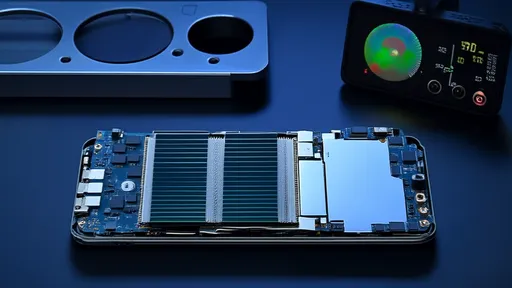
The hardware itself is the silent enabler of this ecosystem. The high-refresh-rate LTPO displays, powerful processors capable of driving two screens, and advanced cooling systems are not just spec sheet bullet points; they are the bedrock upon which these smooth, responsive, and immersive experiences are built. The precise engineering of the hinge is what makes hover mode a reliable feature rather than a gimmick. This synergy between cutting-edge hardware and intentionally designed software is what separates a true foldable gaming experience from a mere compatibility check.
Looking forward, the potential is staggering. We are on the cusp of seeing games built from the ground up exclusively for foldables, designed to leverage their multitasking, hovering, and adaptive capabilities as core gameplay mechanics, not just afterthoughts. As the market for these devices grows and becomes more accessible, they will inevitably push the entire mobile gaming industry toward a more immersive and productive future. The foldable is not just another form factor; it is a glimpse into a future where our devices are more dynamic, flexible, and intimately integrated into our digital lives.
In conclusion, the foldable gaming ecosystem is maturing at a remarkable pace. It has moved past its initial phase of novelty and is now defined by a suite of exclusive, practical features that offer tangible benefits to gamers. The powerful combination of seamless multitasking, innovative hover mode functionality, and intelligent screen adaptation creates a user experience that is not only unique but also profoundly more engaging and efficient. This isn't merely a new way to play games; it's a significant step forward in redefining the relationship between the player, the software, and the hardware.

By /Aug 26, 2025

By /Aug 26, 2025

By /Aug 26, 2025
By /Aug 26, 2025

By /Aug 26, 2025

By /Aug 26, 2025

By /Aug 26, 2025

By /Aug 26, 2025

By /Aug 26, 2025

By /Aug 26, 2025

By /Aug 26, 2025

By /Aug 26, 2025

By /Aug 26, 2025

By /Aug 26, 2025

By /Aug 26, 2025

By /Aug 26, 2025

By /Aug 26, 2025
By /Aug 26, 2025

By /Aug 26, 2025

By /Aug 26, 2025
