In the ever-evolving landscape of game development, where visual fidelity often steals the spotlight, the power of sound is an unsung hero. It is the subtle whisper in the wind, the thunderous roar of an explosion, and the delicate chime of a discovery that truly breathes life into a digital world. Yet, beyond mere ambiance and feedback, sound possesses a profound capacity for brand building. An auditory identity, much like a visual logo or a specific color palette, can become an indelible part of a game's soul, a sonic signature that players carry with them long after they've put down the controller. This is the art and science of sonic branding in gaming—forging an unforgettable auditory identity.
The concept is not entirely new. Think of the iconic Super Mario Bros. theme. Decades after its debut, those first few notes instantly evoke a sense of nostalgia, adventure, and pure joy. It is more than a tune; it is a cultural touchstone, an auditory logo for an entire franchise. Similarly, the haunting four-note motif of SOMA or the chilling ambient sounds of Silent Hill are not just background noise; they are essential components of the brand's identity, synonymous with a particular type of dread and psychological unease. These are not accidents. They are the result of intentional design, a meticulous process of audio alchemy that transforms simple sounds into powerful brand assets.
So, how does one embark on this journey of sonic branding? It begins not in a sound studio, but with a deep understanding of the game's core identity. What is the emotional heart of the experience? Is it epic grandeur, intimate storytelling, frenetic competition, or serene exploration? The auditory brand must be an authentic reflection of these core pillars. A fantasy RPG might build its identity around sweeping orchestral leitmotifs and the clang of mythical metals, while a minimalist puzzle game might find its voice in the clean, satisfying clicks and whirrs of interacting mechanisms. The sound must be intrinsically linked to the game's world and the feelings it aims to provoke.
Crafting this identity requires moving beyond generic sound libraries. The most memorable sonic brands are often born from custom-designed sounds, or ‘earcons’—audio equivalents of icons. This involves a significant investment in sound design and composition. It's about finding or creating a unique sound palette. This could mean recording unconventional real-world objects to create fantastical effects, collaborating with a composer to develop a distinctive musical theme that can be adapted across menus, cutscenes, and gameplay, or designing a unique set of UI sounds that feel tactile and rewarding. The goal is to create a cohesive audio language that is instantly recognizable and unique to your game.
Consistency is the bedrock upon which recognition is built. Once a sonic palette is established, it must be applied consistently across every auditory touchpoint a player encounters. From the moment they launch the game, the title screen music should set the tone. The sounds of the menu navigation—the highlight, the selection, the back-out—should all feel part of the same family. This auditory consistency must flow seamlessly into the gameplay itself: character-specific sounds, weapon reports, environmental ambiances, and victory jingles should all speak the same sonic language. This repetition, when done artfully, reinforces the brand without becoming monotonous, weaving the auditory identity into the very fabric of the player's experience.
Perhaps the most potent tool in the sonic brander's arsenal is the leitmotif. Borrowed from classical opera and perfected in film scoring, a leitmotif is a recurring musical phrase associated with a particular character, place, idea, or emotion. In games, this technique is incredibly powerful due to the interactive and often lengthy nature of the medium. A theme associated with a beloved character can be subtly varied to reflect different situations—a somber version for a moment of loss, a triumphant arrangement for a victory. This musical thread creates a deep, subtextual connection for the player, making the narrative and emotional beats land with greater impact. The leitmotif becomes a shorthand for complex feelings, a core pillar of the game's auditory brand.
Furthermore, the interactive nature of games allows for a dynamic layer of branding that static media cannot achieve. Adaptive audio systems can ensure that the core sonic identity remains present and evolves based on player action. The music can swell during a boss fight, incorporating the main theme into the combat score. The ambient soundscape can shift to reflect the player's health status or narrative choices, all while maintaining the foundational sound palette. This ensures the brand is not a static element but a living, breathing part of the interactive experience, strengthening the player's immersion and connection to the game's world.
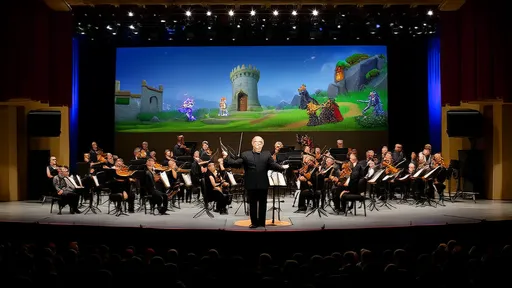
Finally, the ultimate test of a strong auditory brand is its longevity and recognizability beyond the game itself. Can a player hear a two-second snippet of your UI sound and name the game? Does the main theme have a life of its own on streaming platforms and in concert halls? When players use your sound effects in their own content, like memes or streaming alerts, the brand achieves a new level of cultural penetration. This external resonance turns players into ambassadors for your sonic identity. It transforms your game's sounds from a component of play into a shared language within the community, cementing the title's place in gaming history not just as something that was seen, but as something that was heard and remembered.
In conclusion, while dazzling graphics may be the initial hook, it is often sound that captures the heart and defines the memory of a game. Building a deliberate and sophisticated auditory brand is no longer a luxury for high-budget studios; it is a critical component of modern game design. By defining a core audio identity, investing in unique sounds, applying them with consistency, utilizing leitmotifs, and leveraging interactive audio, developers can craft sonic experiences that transcend the screen. They can create not just games, but auditory legends that resonate deeply with players, building a brand that is truly unforgettable.

By /Aug 26, 2025
By /Aug 26, 2025
By /Aug 26, 2025
By /Aug 26, 2025
By /Aug 26, 2025
By /Aug 26, 2025

By /Aug 26, 2025

By /Aug 26, 2025

By /Aug 26, 2025
By /Aug 26, 2025
By /Aug 26, 2025

By /Aug 26, 2025
By /Aug 26, 2025
By /Aug 26, 2025
By /Aug 26, 2025
By /Aug 26, 2025
By /Aug 26, 2025
By /Aug 26, 2025
By /Aug 26, 2025
By /Aug 26, 2025