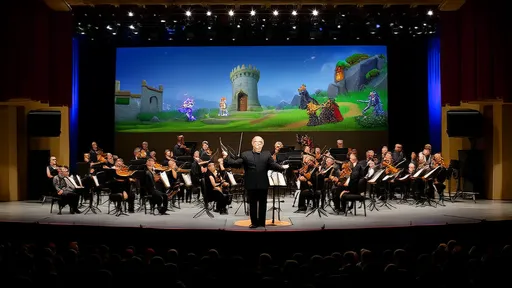
Behind every immersive gaming experience lies an intricate symphony of voices that brings digital worlds to life. While players may only hear the final polished performance, the creation of game voice acting represents a fascinating collaborative dance between directors, actors, and technical teams. This complex process transforms written words on a page into living, breathing characters that resonate with audiences worldwide.
The journey begins long before actors ever step into the recording booth. Game directors work closely with writers and developers to establish the tonal landscape of the project. They analyze character backgrounds, story arcs, and emotional beats to create detailed character profiles. These documents become the foundational blueprint that guides every subsequent decision in the voice production process. Directors must possess not only creative vision but also technical understanding of how dialogue will integrate with gameplay mechanics and narrative pacing.
When casting begins, directors collaborate with casting specialists who understand the unique demands of game performance. Unlike film or television, game acting often requires performers to create emotional authenticity without visual context or scene partners. Casting sessions frequently involve reading for multiple characters with vastly different personalities, testing an actor's range and adaptability. The selected performers receive extensive background materials, including concept art, animation tests, and story context to help them visualize their characters' worlds.
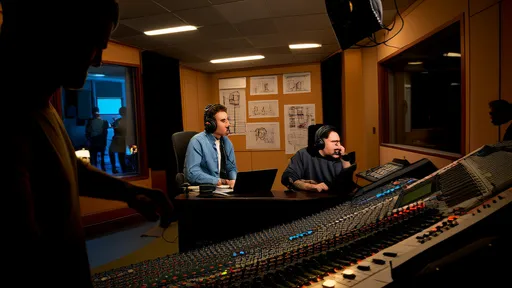
Recording sessions represent the heart of the collaborative process. Directors work alongside audio engineers in sound-isolated studios, guiding actors through emotional performances while technical staff ensure proper audio capture. Actors often perform in isolation, responding only to the director's guidance and occasionally previewing rough animations. The director becomes their scene partner, their audience, and their critical mirror—coaxing out nuanced performances that must stand alone without visual support. This requires exceptional communication skills and psychological insight from directors, who must create a safe creative space while maintaining rigorous quality standards.
Technical teams provide the invisible infrastructure that makes modern game voice acting possible. Audio engineers manage complex recording equipment while monitoring for consistency in tone, volume, and quality. They work proactively to identify potential issues—background noise, microphone technique problems, or performance inconsistencies—that might create problems during implementation. Meanwhile, dialogue coordinators maintain meticulous records of takes, annotations, and director preferences that will later guide the implementation process.
The collaboration extends beyond the recording studio through implementation specialists who integrate voice assets into the game engine. These technicians work with complex branching dialogue systems that must account for player choices, environmental factors, and character relationships. They ensure that emotional continuity maintains across potentially hundreds of variations of the same line, accounting for how fatigue, injury, or emotional state might alter a character's delivery. This requires constant communication with directors to maintain creative vision through technical implementation.
Localization teams represent another critical collaborative layer, working across cultural and linguistic divides to adapt performances for global audiences. This goes far beyond simple translation, involving cultural consultants, native-speaking directors, and adapters who reconstruct jokes, cultural references, and emotional nuances for different markets. The original directors often consult extensively with localization teams to preserve creative intent while making content culturally accessible and authentic.
Quality assurance testers provide the final collaborative checkpoint, playing through countless hours of gameplay to identify audio issues. They check for technical problems like audio dropouts, volume inconsistencies, or lip-sync errors, but also provide feedback on performance consistency and emotional authenticity. Their reports create a feedback loop that sometimes sends teams back to recording studios for additional takes or adjustments.
The evolution of performance capture technology has deepened these collaborations significantly. Modern motion capture stages bring together directors, actors, cinematographers, and technical teams in shared physical spaces. Actors now perform scenes together while covered in sensors, requiring coordination between performance capture technicians, animation directors, and voice directors. This integrated approach captures not only vocal performance but physical movement, facial expressions, and sometimes even physiological responses like heart rate or breathing patterns.
Throughout this entire process, communication remains the essential currency of collaboration. Regular production meetings bring together representatives from every department to address challenges, align creative vision, and solve technical problems. Digital asset management systems ensure that everyone works from the same updated materials, while cloud-based collaboration tools enable real-time feedback across globally distributed teams. The complexity of modern game development often means these collaborators may never share physical space, working across time zones and continents through digital interfaces.
The emotional toll of this work should not be underestimated. Voice actors frequently perform emotionally taxing scenes—character deaths, traumatic experiences, or intense confrontations—often isolated in soundproof rooms with only the director's voice for support. Directors must maintain sensitivity to these challenges while pushing for authentic performances. Technical staff, meanwhile, may spend hours editing together perfect performances from multiple takes, developing intimate familiarity with every emotional nuance and breath.
Budget and timeline constraints add another layer of complexity to these collaborations. Production schedules often require recording sessions years before game release, with actors sometimes returning for additional sessions as games evolve through development. Directors must balance creative perfection against practical constraints, while technical teams develop innovative solutions to maximize limited resources. This economic reality shapes every decision, from casting choices to the number of takes recorded for each line.
The final result represents a miraculous convergence of artistic vision, technical precision, and human emotion. When players lose themselves in a game's narrative, they're experiencing the culmination of thousands of hours of collaborative effort. Every whispered confession, triumphant shout, or anguished scream represents countless decisions made by teams of dedicated professionals working in concert. The magic of game voice acting doesn't emerge from individual brilliance but from extraordinary collaboration—a testament to what creative minds can achieve when working toward a shared vision.
As technology continues evolving, these collaborations grow increasingly sophisticated. Artificial intelligence now assists with initial audio cleanup, machine learning helps predict emotional authenticity, and cloud-based workflows enable real-time collaboration across global teams. Yet the human element remains irreplaceable—the director's insight, the actor's vulnerability, the technician's precision. The future of game voice acting lies not in replacing these human connections but in enhancing them, creating ever more powerful tools for collaborative storytelling.
For those outside the industry, understanding this collaborative complexity adds depth to the gaming experience. The next time a character's delivery gives you chills or makes you laugh unexpectedly, remember the invisible network of talented professionals who made that moment possible. Their collaborative artistry transforms code and concepts into emotional experiences that linger long after the game concludes, proving that in game development, as in all great art, creation is ultimately a team sport.

By /Aug 26, 2025
By /Aug 26, 2025
By /Aug 26, 2025
By /Aug 26, 2025
By /Aug 26, 2025
By /Aug 26, 2025
By /Aug 26, 2025
By /Aug 26, 2025

By /Aug 26, 2025
By /Aug 26, 2025
By /Aug 26, 2025

By /Aug 26, 2025
By /Aug 26, 2025
By /Aug 26, 2025
By /Aug 26, 2025
By /Aug 26, 2025
By /Aug 26, 2025
By /Aug 26, 2025
By /Aug 26, 2025
By /Aug 26, 2025
